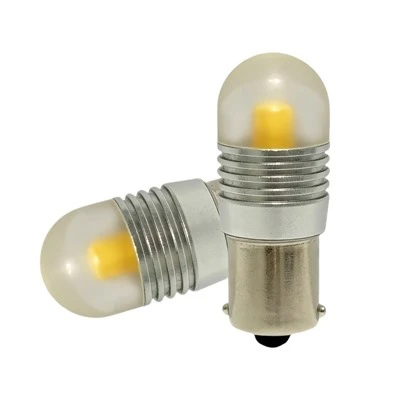
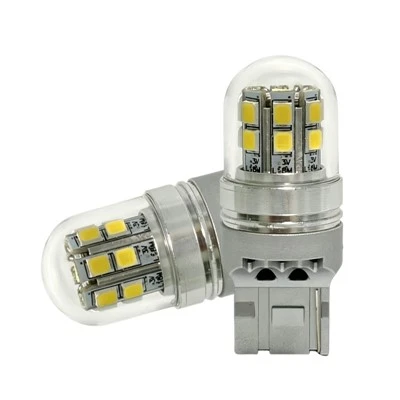
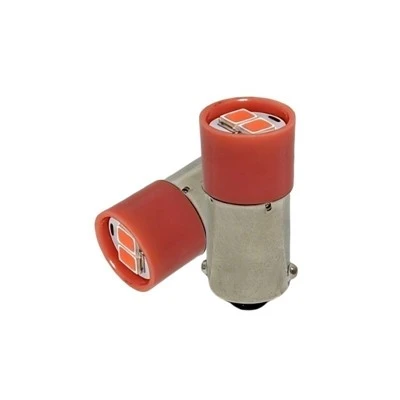
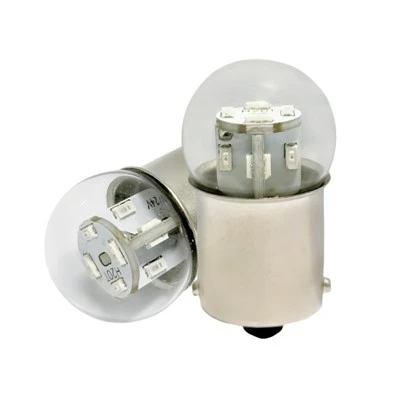
As a core component of the automotive lighting system, automotive bulbs directly impact driving safety, driving experience, and the overall aesthetics of the vehicle. The following is a detailed description of the main characteristics of automotive bulbs:
Light Source Type and Technical Characteristics
Automotive bulbs can be categorized into three main technologies based on their light source: halogen bulbs, xenon lamps (HID), and LED bulbs. Halogen bulbs are the most traditional choice, emitting light through heating a tungsten filament. They are characterized by low cost and strong compatibility, but have lower luminous efficacy and a shorter lifespan. Xenon lamps produce intense light through gas discharge, with brightness 2-3 times higher than halogen bulbs. Their color temperature is close to natural light, providing better visual effects, while also consuming less energy and having a longer lifespan. LED bulbs are a relatively new technology, using semiconductor light-emitting diodes (LEDs). They offer advantages such as ultra-high brightness, ultra-low energy consumption, and ultra-long lifespan, while also being compact and easy to integrate.
Optical Performance
The optical performance of automotive bulbs is one of their core characteristics, primarily including brightness, color temperature, and beam distribution. Brightness is typically measured in lumens (lm). High-brightness bulbs significantly improve visibility at night or in adverse weather conditions, thus enhancing driving safety. Color temperature determines the color of the light, ranging from warm yellow (approximately 3000K) to cool white (approximately 6000K). Different color temperatures are suitable for different driving environments and personal preferences. For example, warm yellow light has stronger penetrating power, making it suitable for rainy or foggy weather; while cool white light is closer to sunlight, providing better visual clarity. The design of the beam distribution is also crucial; proper light distribution ensures even road coverage, avoiding glare or blind spots.
Energy Consumption and Efficiency
The energy consumption of automotive bulbs directly affects the overall energy efficiency of a vehicle. Halogen bulbs have relatively high energy consumption, typically around 55W, while xenon lamps and LED bulbs can reduce energy consumption to below 35W and 10W, respectively. This difference in energy consumption not only affects fuel economy but also significantly impacts the load on the vehicle's electrical system. LED bulbs, due to their highly efficient photoelectric conversion capabilities, have the lowest energy consumption for the same brightness, making them the preferred choice for modern energy-efficient vehicles.