As a core component of automotive lighting systems, automotive bulbs have achieved significant technological breakthroughs in recent years. These innovations have not only improved bulb performance but also provided drivers with a safer and more comfortable nighttime driving experience.
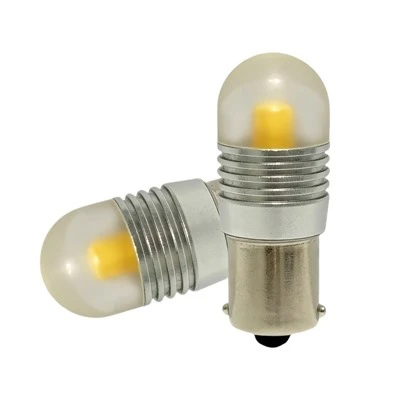
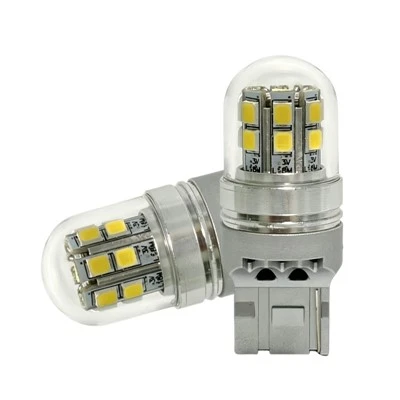
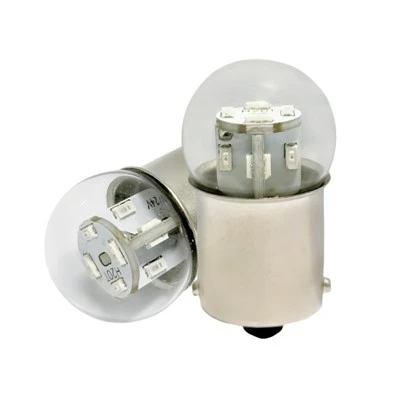
In 2024, LED bulbs dominated the global automotive bulb market, holding a 65.3% market share. This is primarily due to the high energy efficiency and long lifespan of LED bulbs. Compared to traditional halogen bulbs, LED bulbs consume approximately 70% less energy while extending their lifespan by more than 10 times. In 2024, the average lifespan of an LED bulb was 30,000 hours, while that of a halogen bulb was only 2,800 hours.
Laser headlight technology also achieved commercial application in 2024. BMW adopted laser headlight technology on a large scale for the first time in its high-end models. This technology can provide a beam distance of up to 600 meters, twice that of LED bulbs. The brightness of laser headlights is more than 1,000 times that of traditional halogen bulbs, greatly improving nighttime driving safety.
It is projected that by 2025, with further technological maturation and cost reduction, the market share of LED bulbs will grow to 72.8%. The cost of laser headlights is expected to decrease by 35%, allowing more mid-range models to be equipped with this advanced technology. Industry forecasts indicate that the global automotive bulb market will reach $19.8 billion in 2025, with LED bulbs contributing an estimated $14.4 billion and laser headlights contributing $1.2 billion.
From a technological innovation perspective, intelligent lighting control systems will be a key focus for future development. These systems can automatically adjust the intensity and angle of the lights based on vehicle speed, weather conditions, and road conditions. For example, when an oncoming vehicle is detected, the system can automatically switch to low beam mode to avoid dazzling oncoming drivers. Shipments of automotive bulbs with intelligent lighting control capabilities are expected to reach 85 million units in 2025, accounting for 25% of total shipments.
While LED and laser headlight technologies offer numerous advantages, some challenges remain. High R&D and production costs, and the need for further improvement in adaptability to extreme environments, are still significant concerns. With the development of autonomous driving technology, future car bulbs will need to meet higher safety and reliability requirements.