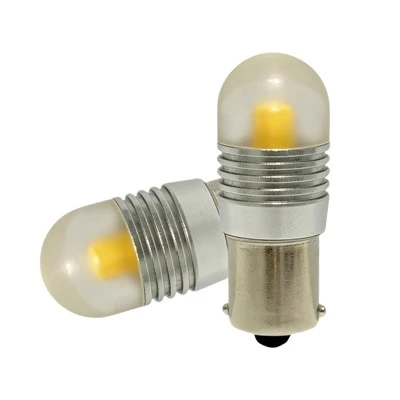
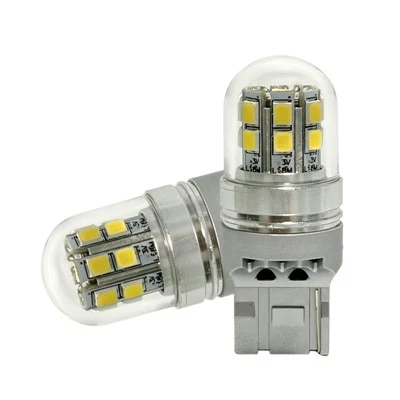
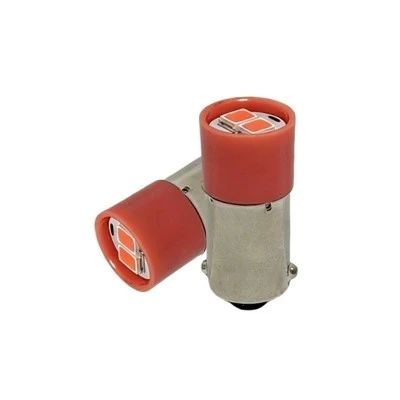
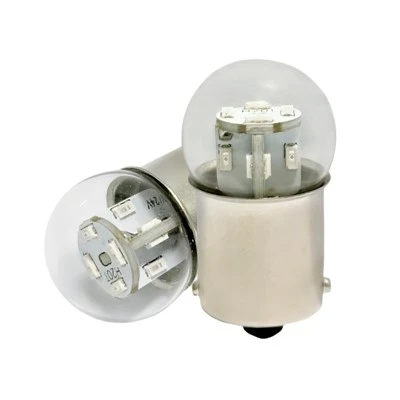
Firstly, in low-light automotive lighting, such as dashboard backlighting, control switches, reading lights, parking lights, and license plate lights, this is the earliest and most widely used application by automakers.
In-vehicle displays, like dashboards, have evolved from initial incandescent or vacuum fluorescent lamps to display panels using CCFLs as backlights, and now LEDs are almost ubiquitous. LEDs are used in various backlighting methods, such as directly mounting behind LCD diffuser films, using either packaged or unpackaged chips.
Secondly, in high-light lighting, LED module lights play a crucial role in automotive headlights, such as high and low beams and daytime running lights. LED lights offer higher brightness and better beam distribution, providing a clearer field of vision and improving nighttime driving safety. High-power LEDs have a fast heat dissipation path and rapid response, enabling them to light up quickly.
Furthermore, interior ambient lighting is another application scenario for LED module lights, such as interior ambient lighting. They are also used in exterior media displays, such as exterior lighting and advertising displays.
In addition, LED module lights have significant advantages in signal lights. Their fast response time gives drivers more reaction time, reducing the accident rate. Furthermore, LEDs are compact, simple in structure, highly shock-resistant, and offer great design flexibility, meeting the styling requirements of different vehicle models.