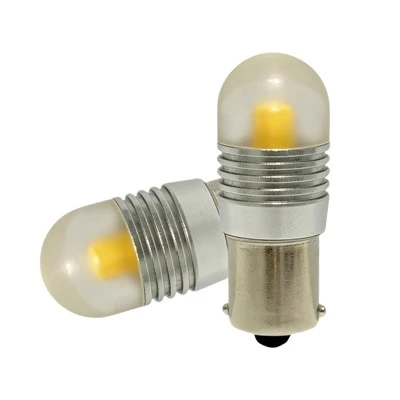
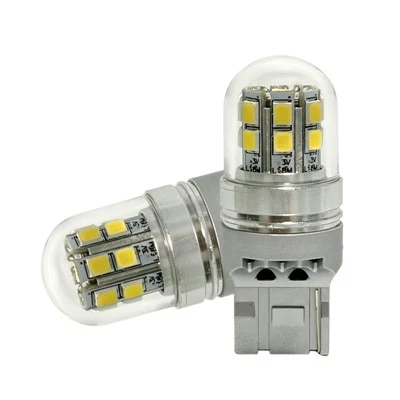
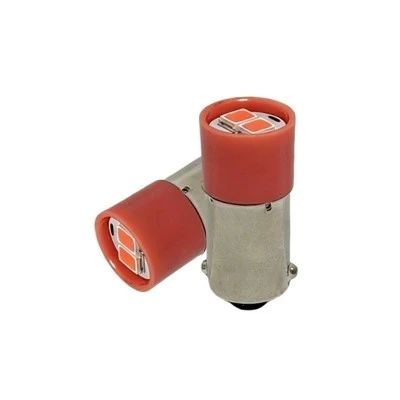
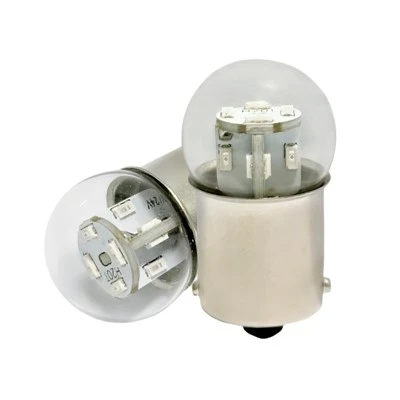
LED headlights excel in energy efficiency, primarily due to their unique light-emitting principle and low energy consumption.
Firstly, LED headlights consume extremely little energy, only 1/10 to 1/20th that of traditional halogen lamps. This means that during vehicle operation, LED headlights significantly reduce energy consumption, thus saving fuel and reducing overall energy consumption. According to relevant data, LED headlights consume only 1/10 the power of halogen lamps, significantly reducing fuel consumption.
Secondly, LED headlights generate less heat, reducing the burden on the car's air conditioning system and further improving fuel economy. Because LED headlights generate less heat, the air conditioning system does not need to consume additional energy to lower the cabin temperature, further saving fuel.
LED headlights directly convert electrical energy into light energy with high conversion efficiency, reducing energy waste. Compared to traditional bulbs, LED lights have a light energy conversion rate of over 80%, meaning that most electrical energy is effectively utilized rather than converted into heat. Therefore, the use of LED headlights can significantly improve the fuel economy of a vehicle.
Furthermore, the energy-saving characteristics of LED headlights protect the vehicle's electrical system, reduce circuit load, and extend the lifespan of the electrical system. Because LED headlights consume less power, the load on the vehicle's electrical circuits is reduced, helping to extend the lifespan of the electrical system and reduce the probability of malfunctions caused by circuit problems.
Although the initial purchase cost of LED headlights is higher, with technological advancements and mass production, their cost has been decreasing significantly year by year, and the long-term benefits of energy saving far outweigh the initial cost. The lifespan of LED headlights is typically over 50,000 hours, and some can even reach 100,000 hours. This means that they essentially do not need to be replaced during the entire lifespan of the vehicle, reducing the energy and material consumption caused by frequent headlight replacements.