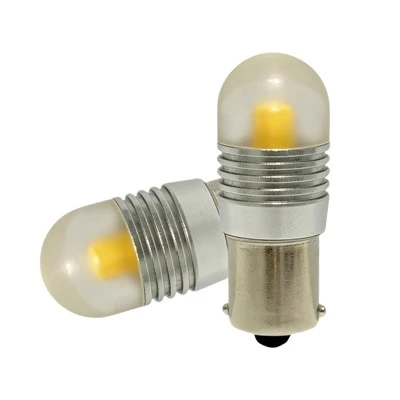
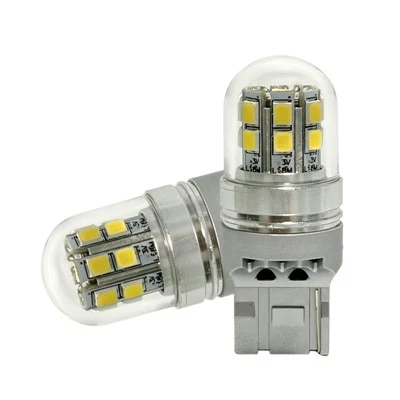
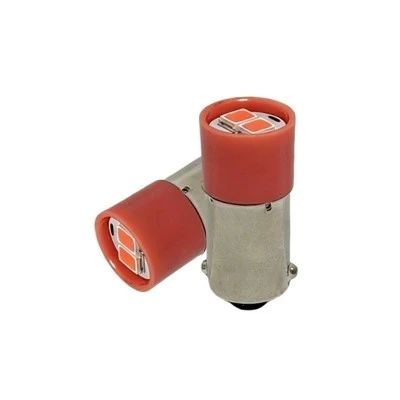
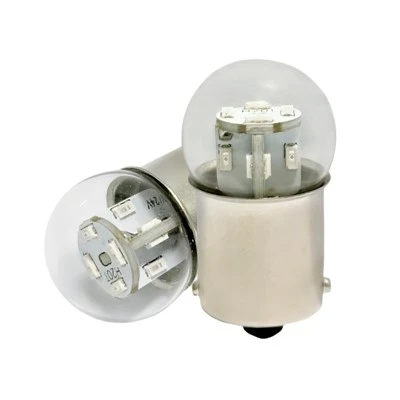
LED headlights have become the mainstream choice for automotive lighting due to their core advantages such as high brightness, energy efficiency, long lifespan, and rapid response. Their luminous efficiency far exceeds that of traditional halogen lamps, offering higher brightness at the same power, significantly improving visibility during nighttime driving and making road markings, pedestrians, and obstacles more clearly visible. Energy consumption is only about 1/20th that of halogen lamps, effectively reducing the burden on the vehicle's electrical system and aligning with the trend of green travel. Their lifespan can reach tens of thousands of hours, essentially covering the entire lifespan of a vehicle, greatly reducing replacement costs and hassles. They reach maximum brightness instantly upon illumination, several times faster than halogen lamps, enabling faster transmission of braking and steering signals and reducing the risk of rear-end collisions. Furthermore, the small size of LED components provides designers with more space to create more distinctive headlight designs, while their robust structure offers excellent impact and vibration resistance, adapting to complex road conditions and extreme weather, with stability far exceeding that of traditional light sources.
In terms of lighting performance details, LED headlights offer more flexible color temperature selection, adapting to different scenarios and needs. For example, in low-visibility environments such as foggy days, a warmer yellow hue with stronger penetrating power can be selected to reduce visual blurring caused by light scattering; during daily driving, it can be switched to a cooler white hue closer to natural light, improving visual comfort while making road details clearer. This diversity of color temperatures balances practicality and provides users with a personalized lighting experience.
From an environmental perspective, the advantages of LED headlights are not only reflected in energy consumption, but also in the more environmentally friendly properties of their materials. Traditional halogen lamps and xenon lamps often contain toxic substances such as lead and mercury, which can easily pollute the environment after disposal; while LED headlights do not contain these harmful substances, and have a smaller impact on soil and water sources after disposal, aligning with the current automotive industry's pursuit of green manufacturing. At the same time, their high energy conversion efficiency reduces carbon emissions from electricity generation during vehicle operation, indirectly contributing to the achievement of environmental goals.