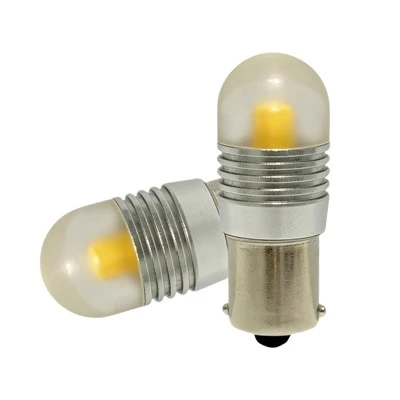
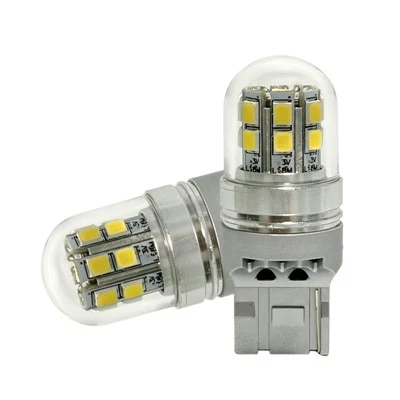
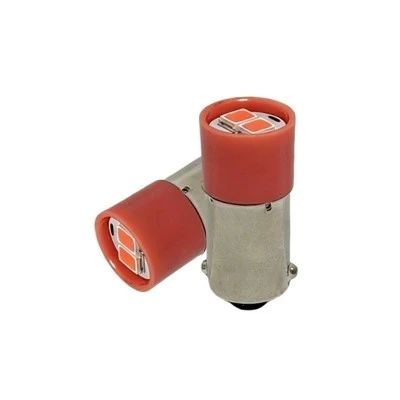
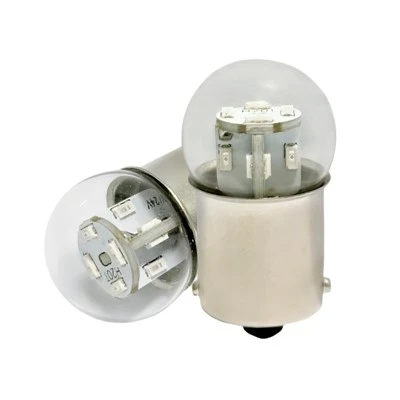
The materials used in LED lights involve several key components, primarily including the chip, substrate, encapsulation material, lampshade, and housing. Below is a detailed introduction to these materials.
First, the chip is the core light-emitting element of the LED light. It is typically made of monocrystalline silicon, processed using complex semiconductor techniques.
Monocrystalline silicon possesses excellent electrical properties, efficiently converting electrical energy into light energy, which is fundamental to the LED's light-emitting function. The quality of the chip directly determines key indicators such as the LED's luminous efficiency, color quality, and lifespan.
Second, the substrate supports the chip and provides heat dissipation and electrical connections. Common substrate materials include metal substrates (such as aluminum and copper substrates) and ceramic substrates. Metal substrates have good thermal conductivity, quickly dissipating the heat generated by the chip, reducing its operating temperature, and thus improving the LED's stability and lifespan. Ceramic substrates offer higher insulation and high-temperature resistance, making them suitable for applications with high electrical safety requirements.
The encapsulation material is crucial for protecting the chip and substrate and enabling light output. Common encapsulation materials include epoxy resin and silicone. Epoxy resin encapsulation offers advantages such as low cost and simple processing, but its high-temperature resistance and UV resistance are relatively poor. Silicone encapsulation, on the other hand, provides better high-temperature resistance, UV resistance, and superior optical performance, improving the luminous efficiency and color quality of LED lights.
The lampshade is a crucial exterior component of an LED light, made from various materials, including acrylic, glass, and PC (polycarbonate). Acrylic lampshades offer good light transmittance, light weight, and ease of processing, making them widely used in various LED lighting fixtures. Glass lampshades offer higher light transmittance and better weather resistance, but are heavier and more expensive to process. PC lampshades offer excellent impact resistance and heat resistance, making them suitable for applications with high safety requirements.
Finally, the outer shell provides the overall support and protection for the LED light, typically made of metal (such as aluminum or iron) or plastic. Metal shells offer better heat dissipation and structural strength, improving the stability and lifespan of the LED light. Plastic shells offer low cost, light weight, and ease of processing, making them suitable for applications with high cost requirements.